346-398-5481 can signal telemarketing, missed calls, or potential spam, so understanding its implications helps prioritize response steps. A clear approach covers origin clues, privacy-conscious verification, and practical tools for protection. The discussion examines how metadata and attestations may indicate legitimacy while preserving user data, and how to audit call trails for accountability. Effective blocking and reporting strategies exist, but gaps remain, leaving the next move somewhat uncertain and worth exploring further.
What 346-398-5481 Might Signify and Why It Matters
The sequence 346-398-5481 can signal a variety of practical concerns, from potential telemarketing activity to missed calls or spam risks, and understanding its implications helps prioritize response steps.
The topic highlights clarification needs and points out common misconceptions, framing a practical search for legitimacy.
Detach factual assessment from rumor, ensuring measured responses and avoiding assumptions about intent or origin.
How to Verify Call Origin Without Sharing Personal Info
There are reliable ways to verify call origin without exposing personal information, enabling responders to assess legitimacy while protecting privacy. The approach relies on metadata, cryptographic attestations, and privacy preserving metrics to confirm caller identity without sharing raw data.
Methodical checks include caller IP ranges, verified carrier signals, and audit trails, ensuring transparency while minimizing exposure.
Practical Troubleshooting: Device, Carrier, and App Tools
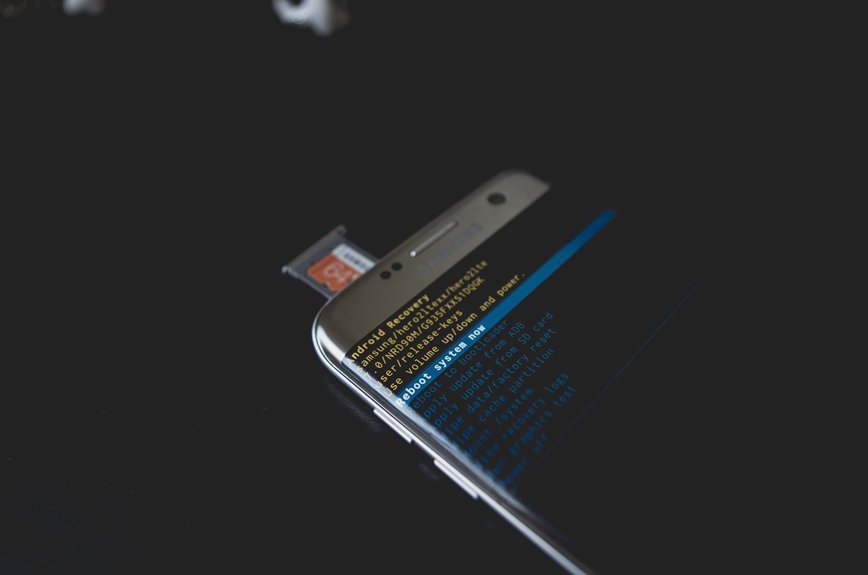
Practical troubleshooting for 346-398-5481 focuses on three core areas: device behavior, carrier signaling, and app performance. The methodical approach assesses hardware responses, network quality, and software reliability, guiding neutral evaluation rather than blame. It highlights privacy concerns and caller verification as foundational concerns, encouraging transparent diagnostics, secure settings, and user-informed choices while maintaining freedom to explore practical, nonintrusive remedies.
Protect Yourself: Blocking, Reporting, and Reducing Nuisance Calls
Can nuisance calls be minimized effectively through blocking, reporting, and proactive screening? Yes, a structured approach reduces interruptions. Blocking filters known numbers and suspicious patterns, while reporting helps authorities target nuisance networks. Proactive screening assesses caller intent before answering. This supports privacy concerns by limiting unsolicited contact and preserving autonomy. Consent checks ensure legitimate outreach, aligning communication with personal preferences and freedom.
Frequently Asked Questions
Can I Determine the Caller’s Identity From the Number Alone?
The answer is no; caller identity cannot be determined from the number alone. One should rely on identity verification methods and analyze scam patterns to assess risk, while preserving personal freedom and exercising cautious, informed judgment.
How Does Caller ID Spoofing Affect Reliability?
Caller ID reliability declines with spoofing behavior, as outcomes depend on call blocking legality and identity tracing capabilities; nuisance call solutions vary, and spoofing can undermine trust, requiring robust caller ID verification and regulatory-aligned blocking measures.
Are There Legal Limits to Call Blocking by Carriers?
Beyond doubt, yes: carriers set lawful limits on call blocking, though exceptions apply. The issue intertwines privacy concerns and data retention practices, with policy variability. In loose terms, regulators balance consumer freedom against fraud prevention and transparency.
What Scams Typically Use 346-398-5481?
The number is associated with nuisance calls and scam patterns exploiting spoofing techniques; call blocking legality remains debated, while caller verification is inconsistently applied, requiring vigilance against calls that mimic trusted entities.
Will Changing My Number Fix Ongoing Nuisance Calls?
Yes, changing the number can reduce nuisance calls temporarily, but it may not resolve the issue long-term. Implement call blocking and monitor patterns; consider ongoing safeguards. Number changes should be paired with blocking to sustain freedom from interruptions.
Conclusion
The article closes by reinforcing a careful, methodical approach to handling calls from 346-398-5481. It emphasizes verifying origin with privacy-conscious methods, using device, carrier, and app tools to mitigate nuisance, and documenting steps for accountability. By combining proactive screening with reporting when warranted, users can reduce interruptions without compromising data. In short, tread wisely, gather facts, and act decisively—cutting through the noise is a uphill battle worth taking on. The goal: clear the air, one call at a time.